Picking a Foundation Format for Textured Deep Skin
Cream, liquid, stick, serum, and powder formats do different things to coverage and texture on deep skin. Match the vehicle to your skin before the shade.
Know your melanin. Match your foundation.
Cream, liquid, stick, serum, and powder formats do different things to coverage and texture on deep skin. Match the vehicle to your skin before the shade.
Adjust a foundation that fits everywhere except color: one axis at a time, a pinhead of pigment, and the ratio written in parts so the mix repeats.
Color shift is usually a base-system mismatch, not a bad shade. How water-based and silicone-based films interact with oil, film formers, and humidity.
Long-wear film formers hold pigment to skin but don't freeze the shade. Here's how oxidation moves foundation color under an intact base on deep skin.
Why setting powder turns ashy and flashes back on deeper, textured skin, and the minimal press-and-blot routine that controls shine without a pale film.
Liquid, cream, stick, serum, or powder? How base systems and film formers decide ashiness, oxidation, and wear on dry, deep skin, plus how to test one.
Deep shades go gray from too much opaque white pigment, not from missing depth. Read the iron oxide ratio and the white load before you blame the shade.
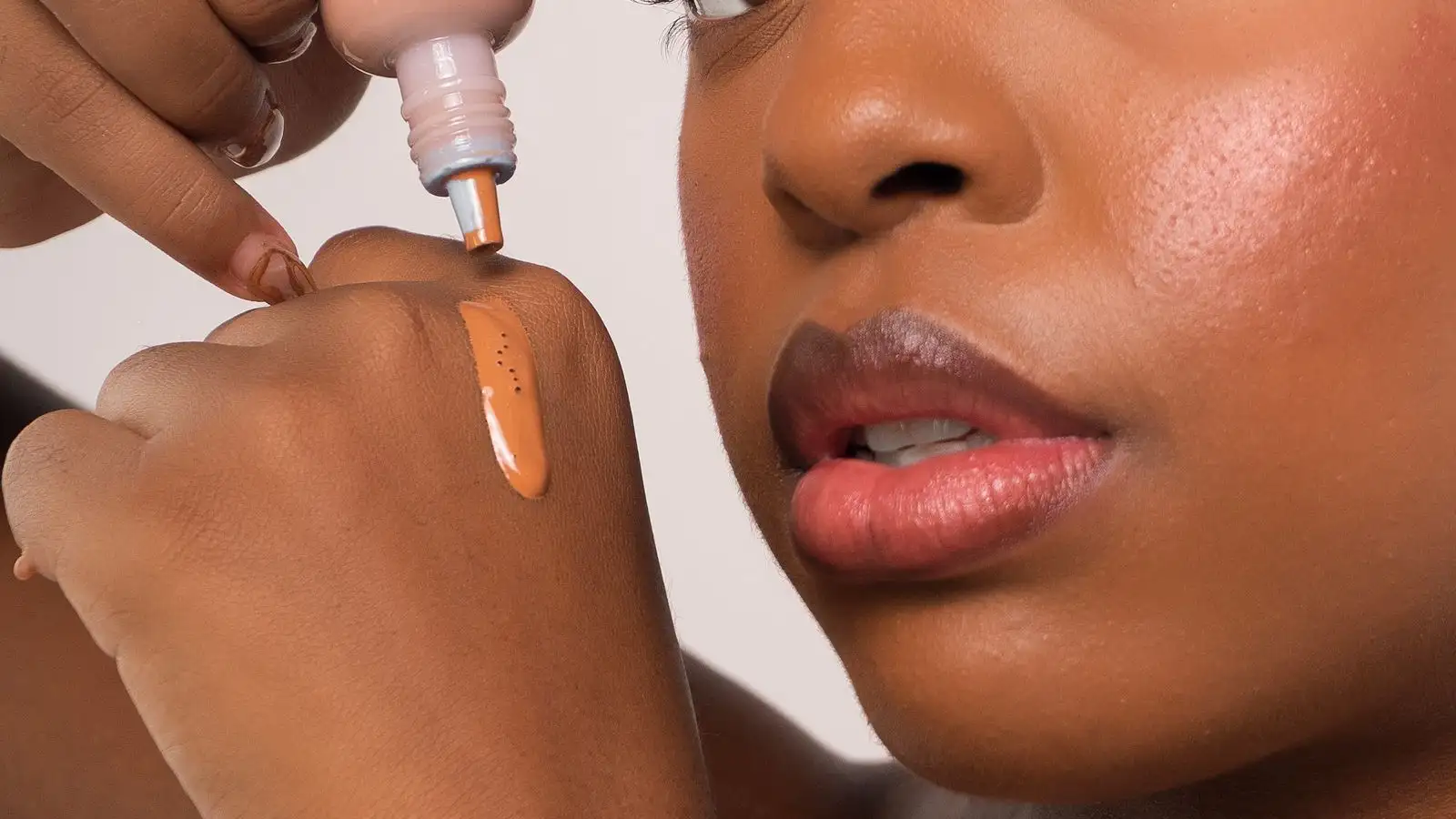
Oxidation, not the wrong shade, is why foundation turns orange on brown skin. Learn the pigment chemistry, the swatch test, and how to correct it fast.
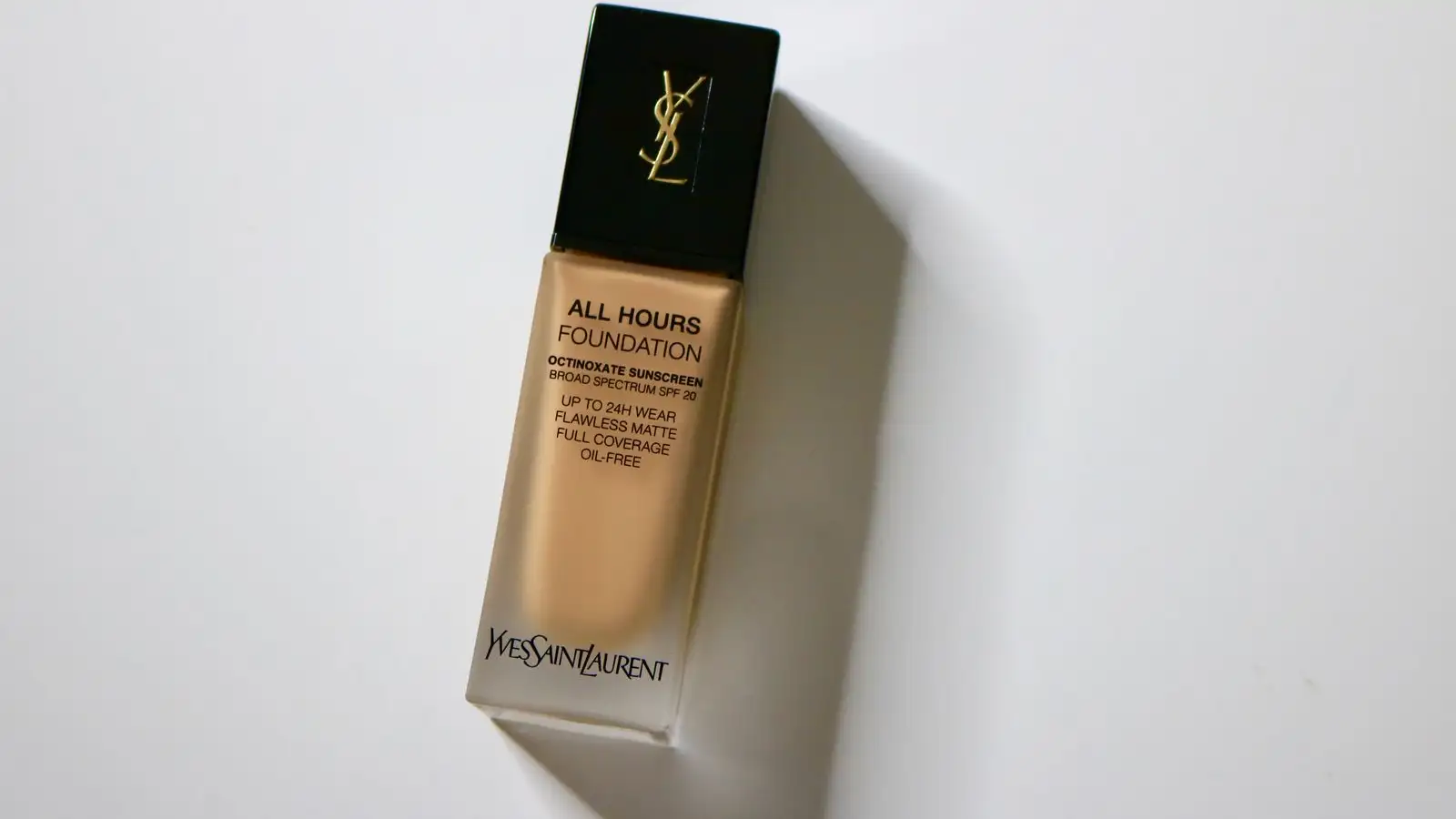
Full coverage is opacity, not smoothing. Here is why pigment load deepens pore edges and lines, and how to add coverage without pressing product into texture.
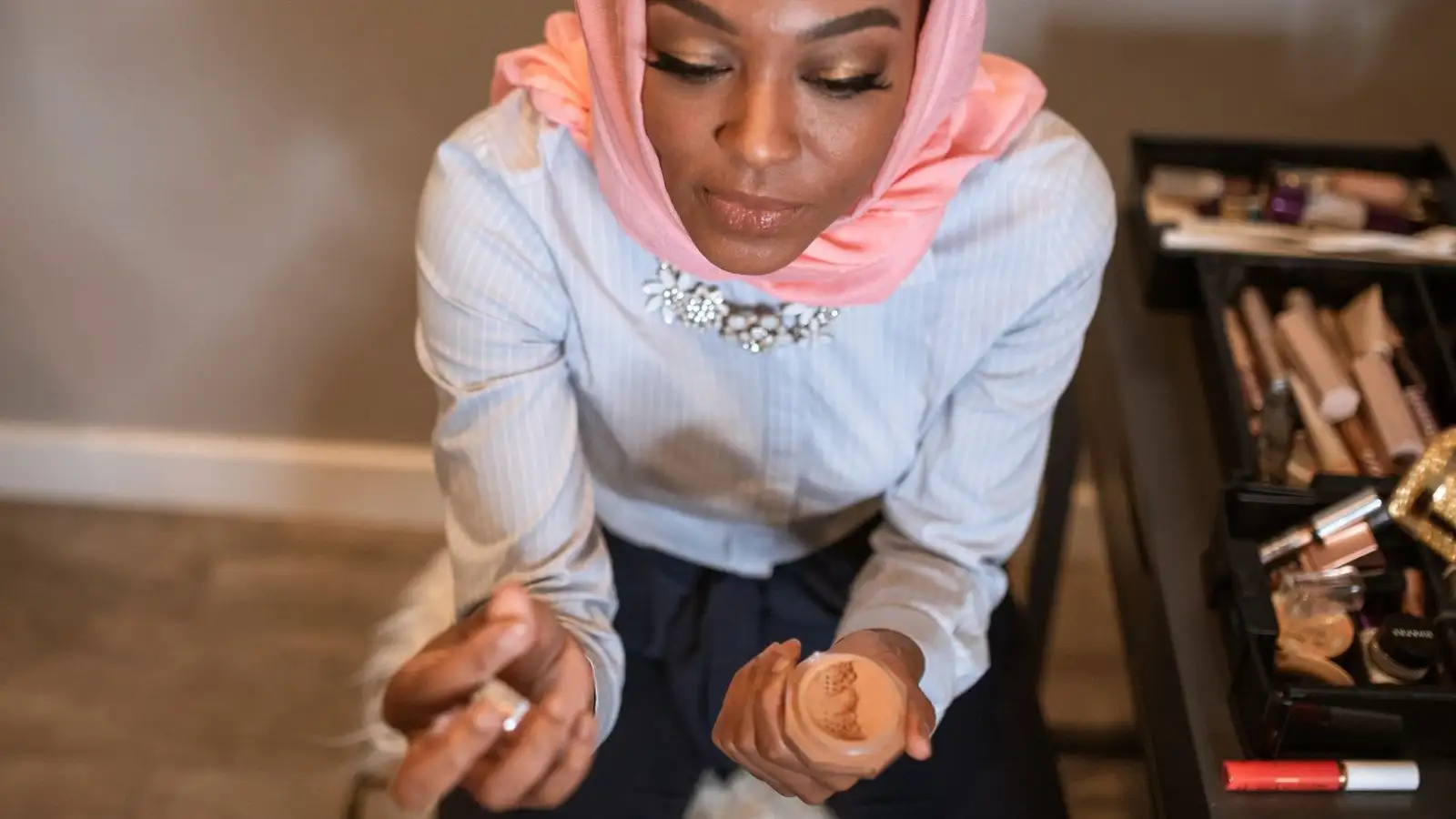
Too much powder, coarse particles, and full-face placement turn deep skin gray. How to set mature skin with less product and no ashy flashback.